About

Formation shaped by experience
An English-speaking seminary in Rome forming priests for diocesan ministry, drawing on the maturity, faith, and lived experience candidates bring.
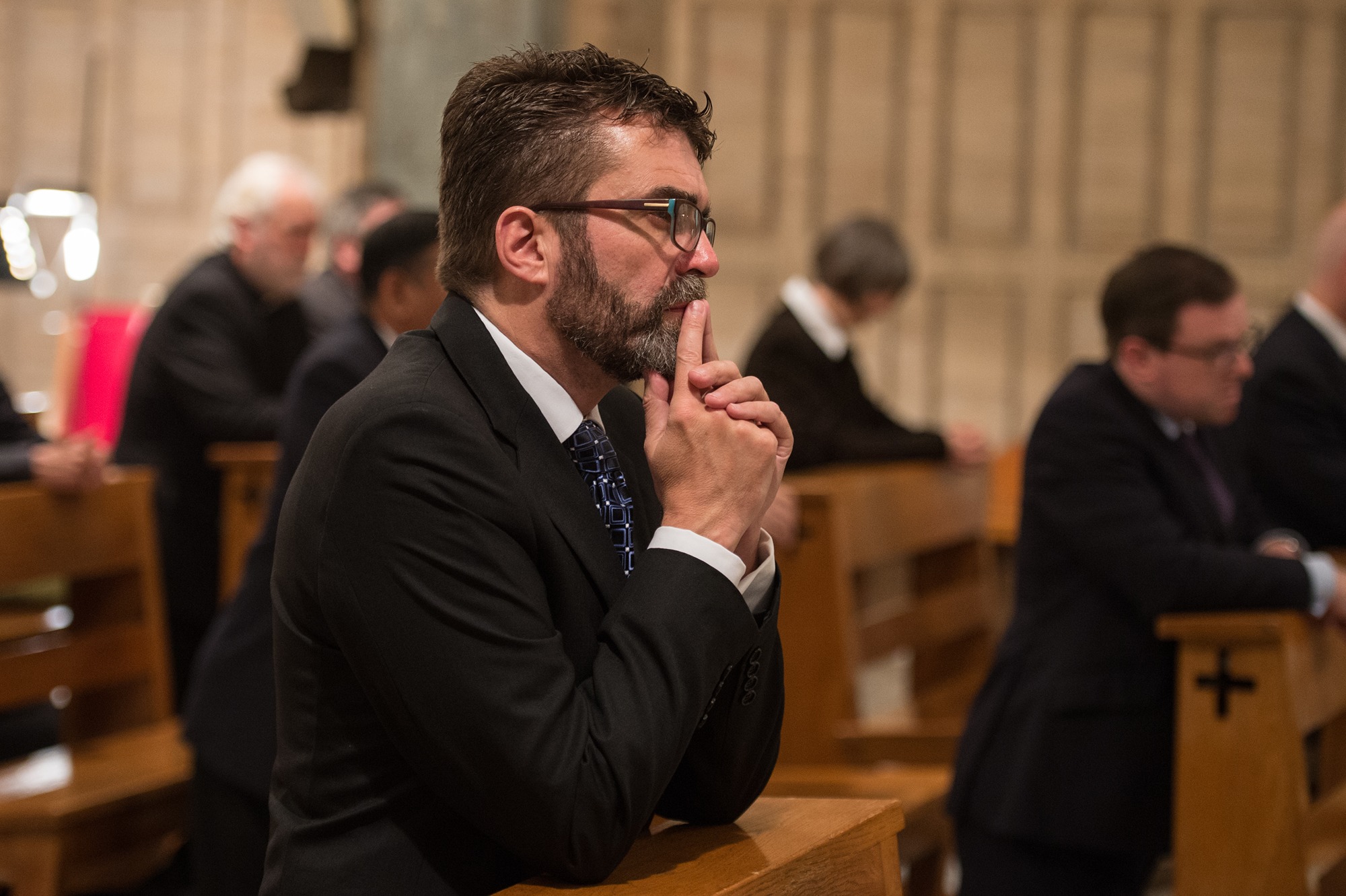
Man in a suit and glasses praying thoughtfully in a church pew with other worshippers in the background.Monstrance on an altar surrounded by candles with smoke or incense rising and a faint silhouette of a figure in the background.A child's hand reaching to pull an old book from a rustic wooden shelf.

Our Purpose

Forming priests through mature vocation

Formation

Formation integrates professional, personal, and spiritual experience into priestly life, preparing men whose vocation has developed through mature faith and responsibility.

Context

Situated in Rome, formation is shaped by the liturgical, theological, and ecclesial life of the Church, grounding seminarians in Catholic tradition and mission.

MISSION

Formation prepares priests for parish ministry, forming men able to serve diverse communities with stability, pastoral judgement, and fidelity to the Church.

Ecclesial Oversight

Guided by the Bishops’ Conference
The College operates under the guidance of the Bishops’ Conference of England and Wales, supporting diocesan formation and priestly ministry.
Coat of arms featuring a blue shield with a white fleur-de-lis and two stars, topped by a bishop’s mitre, with a crozier and a gold and red crossed staff behind.

Leadership

Leading formation and community life
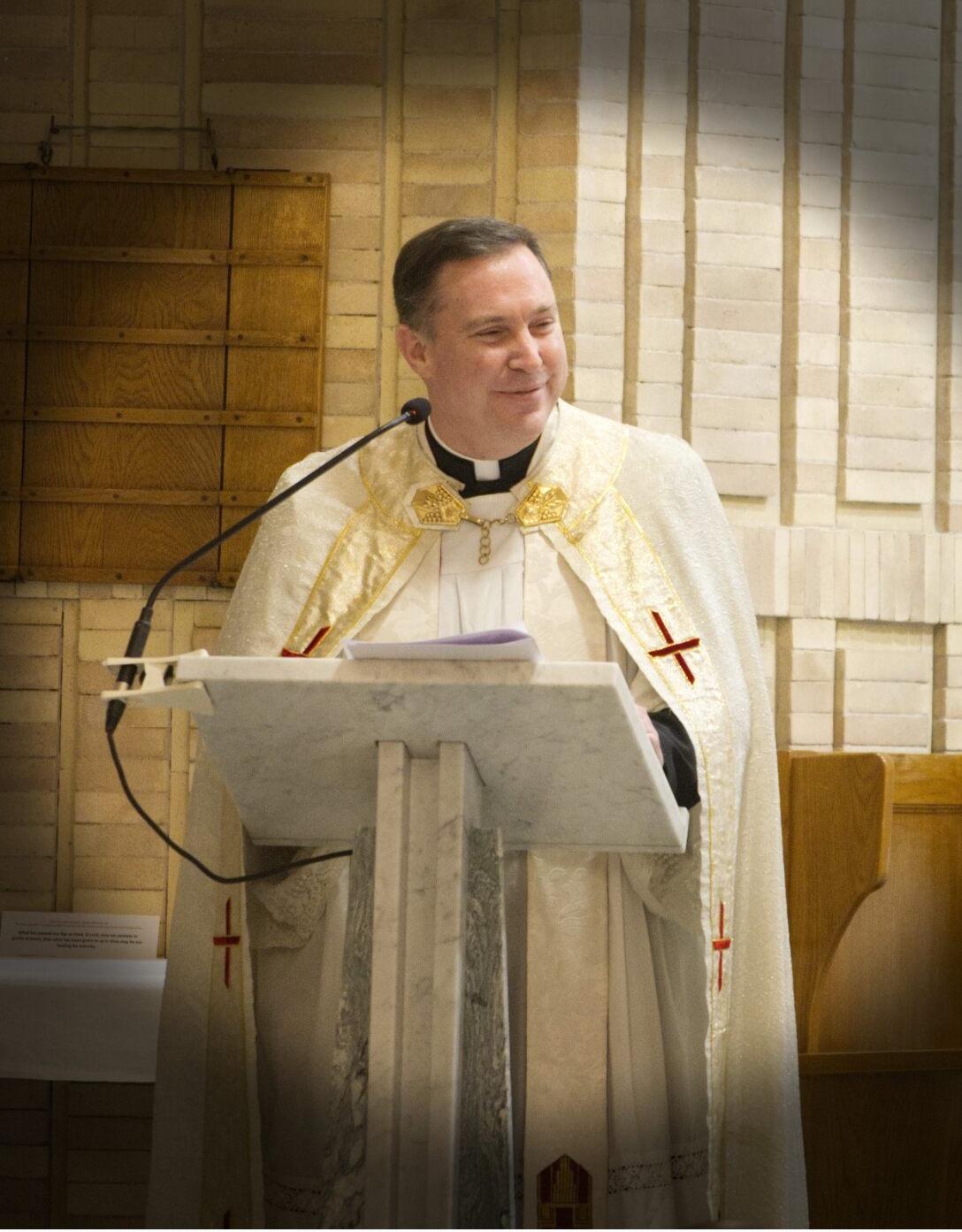
A priest in white and gold vestments standing behind a marble lectern with a microphone, smiling during a church service.

Canon Marcus Holden

Rector
Canon Marcus Holden was appointed Rector of the Pontifical Beda College in 2025, bringing extensive pastoral and theological experience to the leadership of the College. He served for twenty years several parishes in the Archdiocese of Southwark and was most recently Dean of Lambeth and Episcopal Vicar for Evangelisation and Catechesis.
His pastoral ministry and academic background shape his leadership of formation, emphasising priesthood rooted in pastoral reality, theological depth, and fidelity to the Church.
Middle-aged clergyman wearing white and gold ornate vestments standing inside a church with wooden and stained glass background.

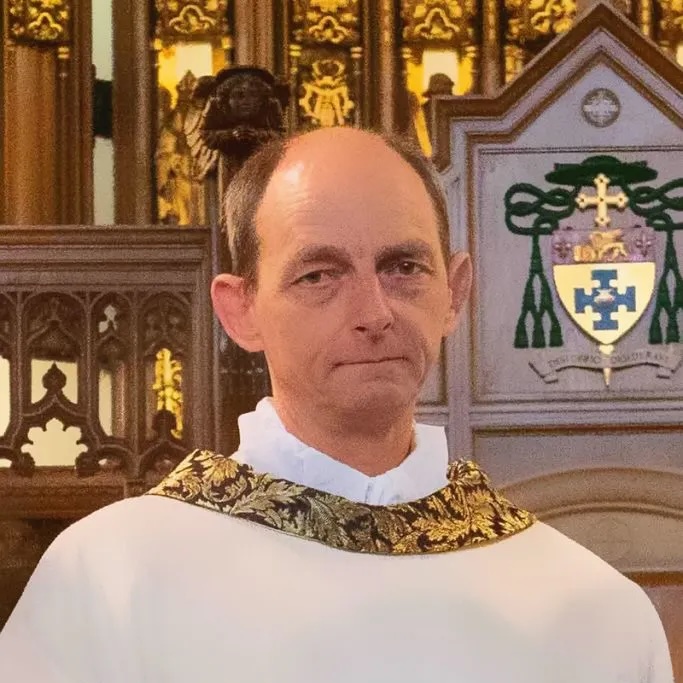
Fr Steven Billington

Spiritual Director
Fr Steven Billington is a priest of the Diocese of Leeds and serves as Spiritual Director of the Pontifical Beda College. He has many years of pastoral ministry, including parish leadership and seminary teaching at Ushaw College. With extensive experience in spiritual accompaniment and clergy support, he guides seminarians in prayer, discernment, and sacramental life as they prepare for priestly ministry.

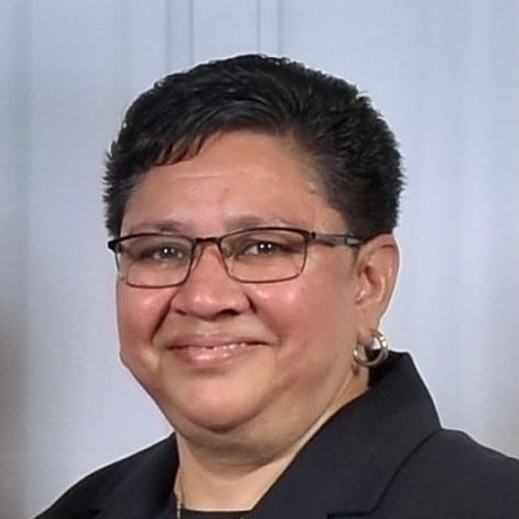
Dr Christina Pal

Academic Director
Dr B. Christina Pal, B.S., S.T.B., M.A., S.T.L., S.T.D., is Academic Director of the Beda. She has extensive experience teaching seminarians and clergy in the United Kingdom and Rome. A specialist in Systematic and Biblical Theology, she brings together Scripture and Dogma within the Church’s tradition, forming priests capable of clear theological judgement and faithful proclamation.
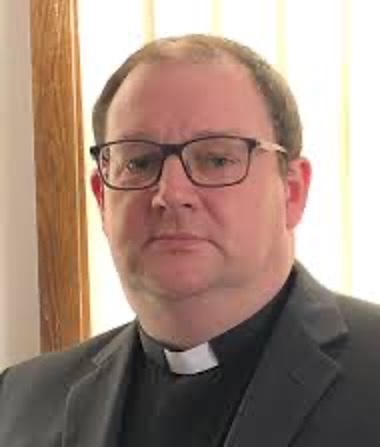
Middle-aged man wearing black clerical collar and glasses standing indoors with wooden frame in background.

Fr Andrew Unsworth

Formator and Professor
Fr Andrew Unsworth is a priest of the Archdiocese of Liverpool and serves as Formator and Professor at the Beda. He has ministered in parish life and previously served as Director of Ongoing Formation for Priests in his archdiocese. He holds degrees from Manchester and Durham, a PhD in Theology from the University of London, and a Doctorate in Sacred Theology (DST) awarded by the Dicastery for Culture and Education. He brings extensive teaching experience and accompanies seminarians across the four pillars of priestly formation.
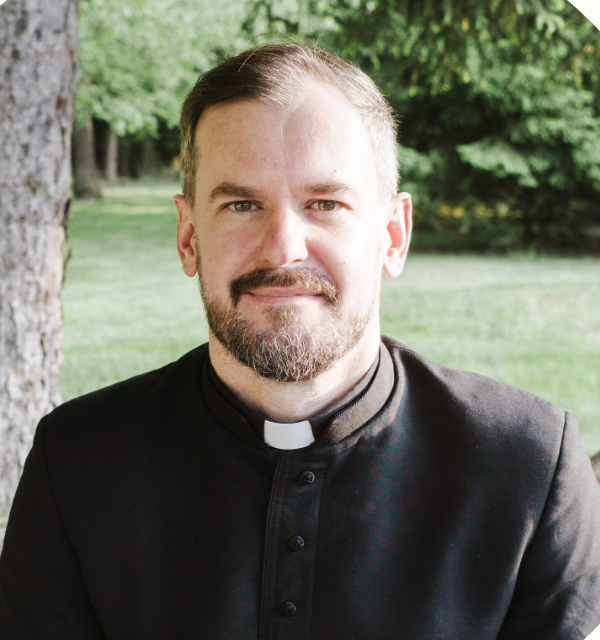
Portrait of a man with a beard wearing a black clergy shirt with a white clerical collar standing outdoors near a tree.

Fr Barry Braum

Formator and Professor
Fr Barry Braum is a priest of the Diocese of Fréjus–Toulon in France and serves as Formator and Professor at the Pontifical Beda College. He holds an STL in Dogmatic Theology from the Pontifical University of St Thomas Aquinas in Rome and was appointed a Missionary of Mercy under Pope Francis, a ministry he continues to exercise. His pastoral experience includes parish ministry in the United States, retreat leadership at the Seminary of the Immaculate Conception in New York, and five years of chaplaincy at the Tyburn Convent in London. He accompanies seminarians across the human, spiritual, intellectual, and pastoral dimensions of priestly formation.
Our professors

Residents

Prof. Steven Billington
Prof. Rogi Thomas
Prof. Peter Fleetwood
Prof. Barry Braum
Prof. Marcus Holden
Prof Christina Pal
Prof. Andrew Unsworth
Prof. Mark Cassidy

Non-Resident Academic Staff

Prof. Maria Vithayathil
Prof. Vimal Tirimanna
Prof. Paola Serafini
Prof. Josef Sciberras
Prof. Edmund Power
Prof. Gildas Parry
Prof. Kevin Mwandha
Prof. Eusebius Martis
Prof. Enda Murphy
Prof. Amélia Manjate
Prof. Alberto de Mingo Kaminouchi
Prof. Larry Duffy
Prof. David Dawson Vasquez
Prof. Susan Dawson Vasquez
Prof. Christopher Clohessy

Form your priests

An invitation for your diocese
The Beda exists to support dioceses in forming priests who bring maturity, stability, and tested commitment. When formation in Rome is appropriate, the College provides a structured environment shaped for candidates with substantial life experience.
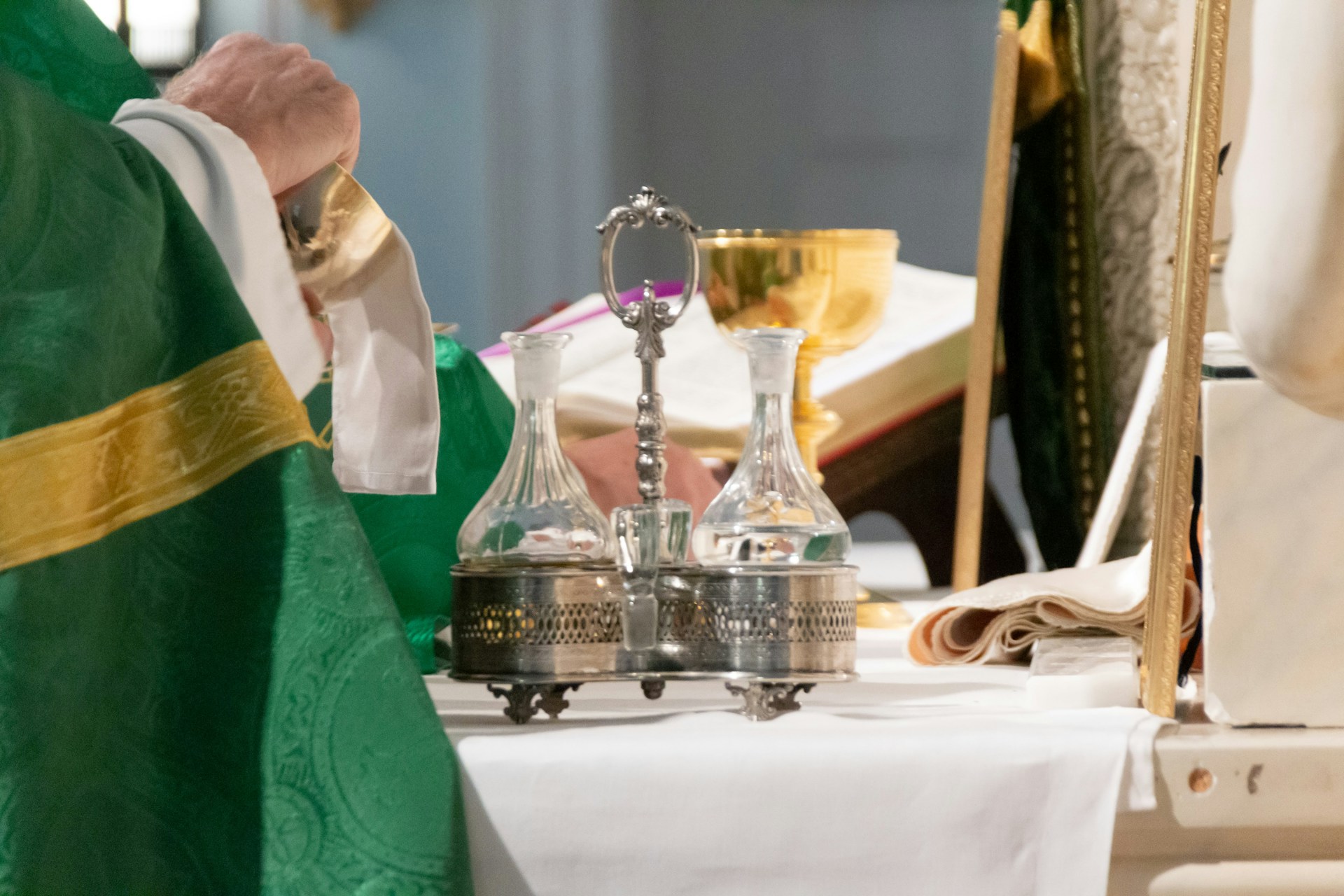
Priest wearing green vestments preparing for a Catholic mass with chalice, cruets, and altar book on the altar.
Facilities supporting formation
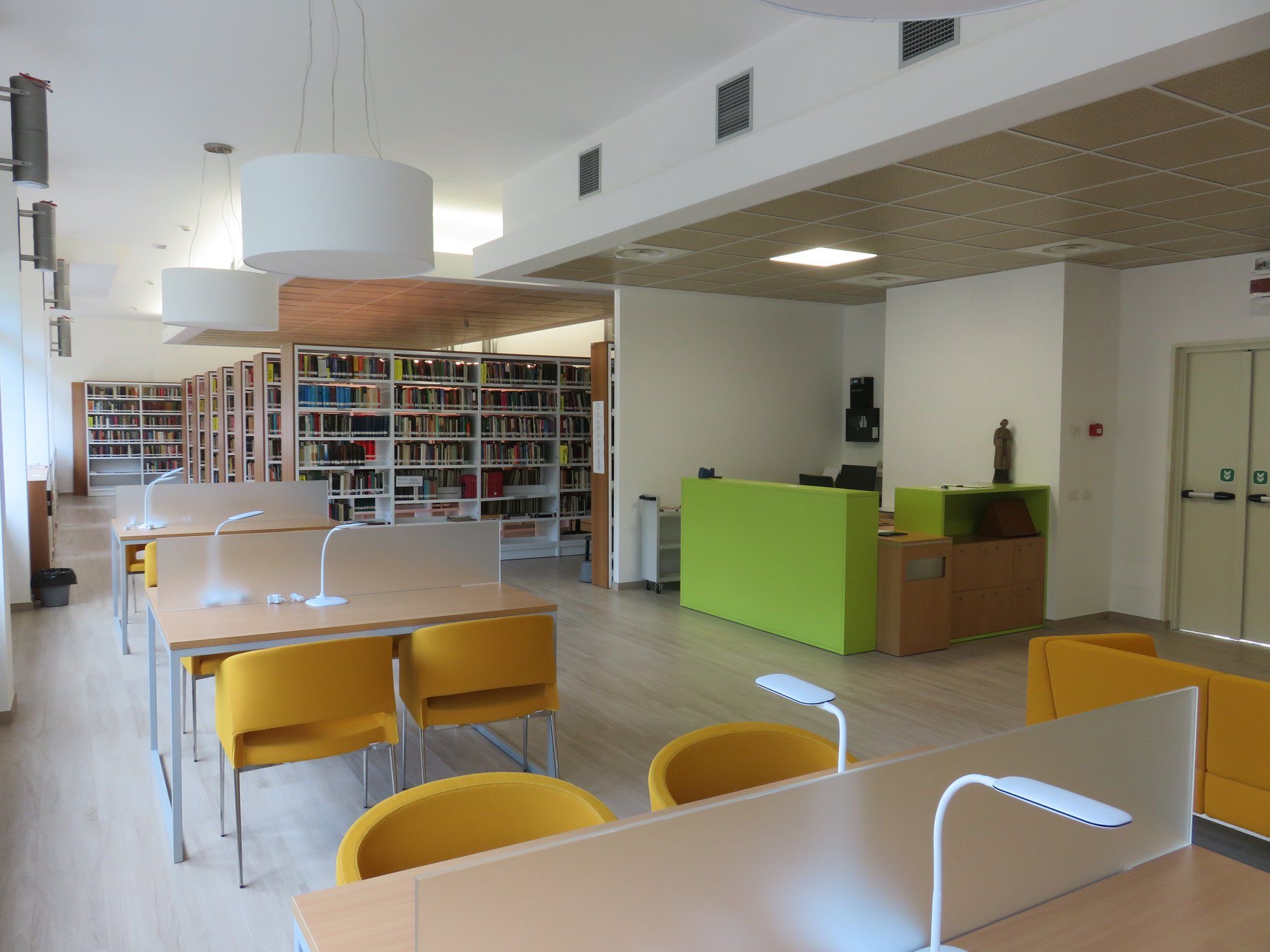
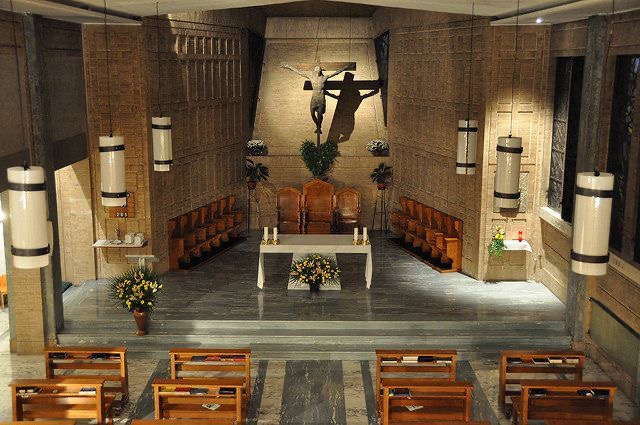
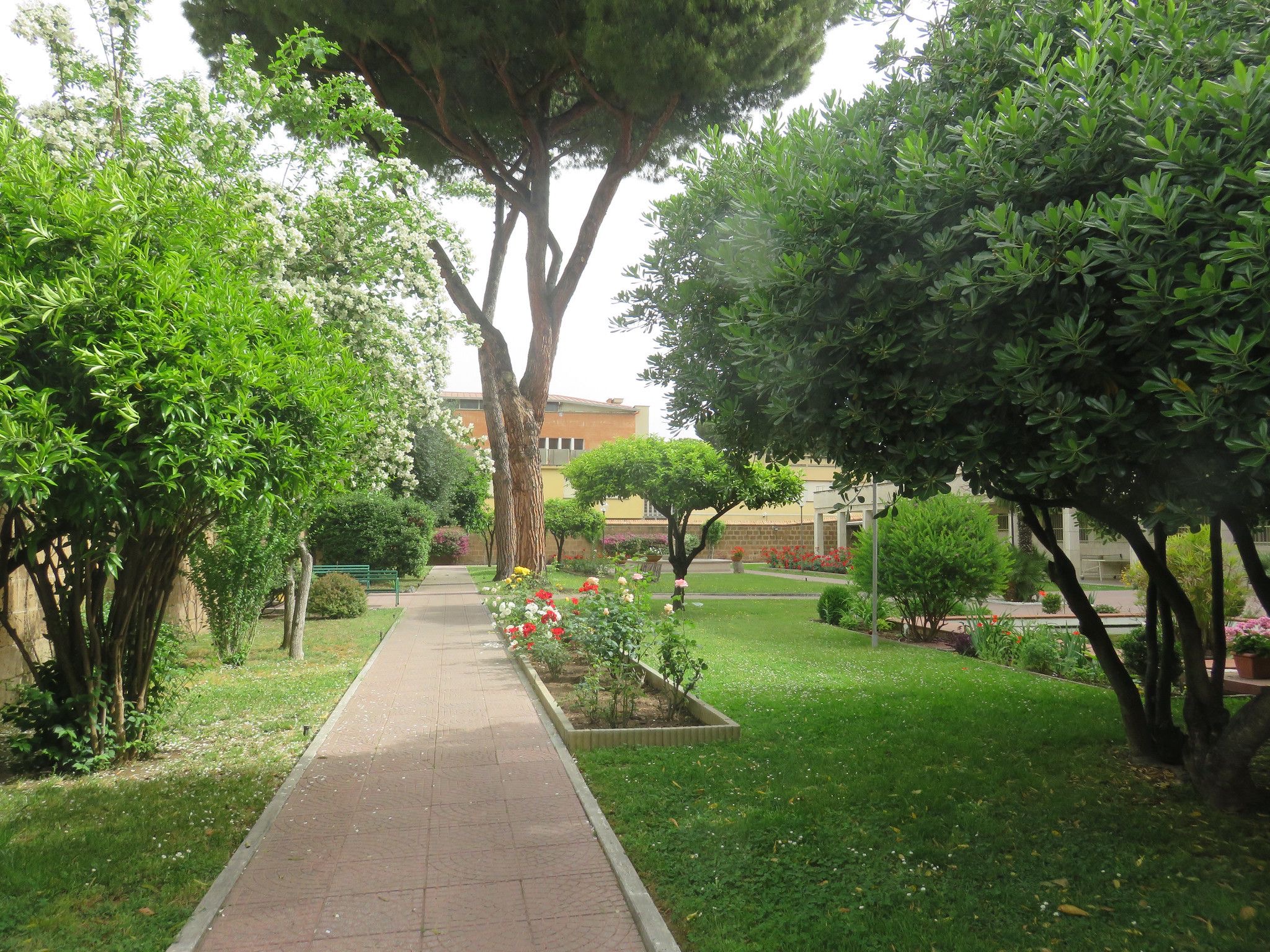
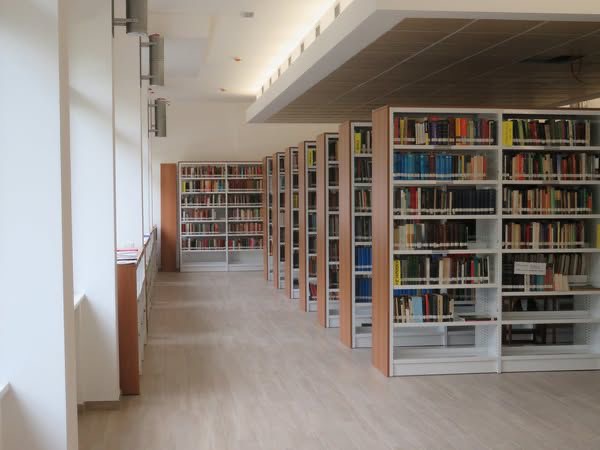
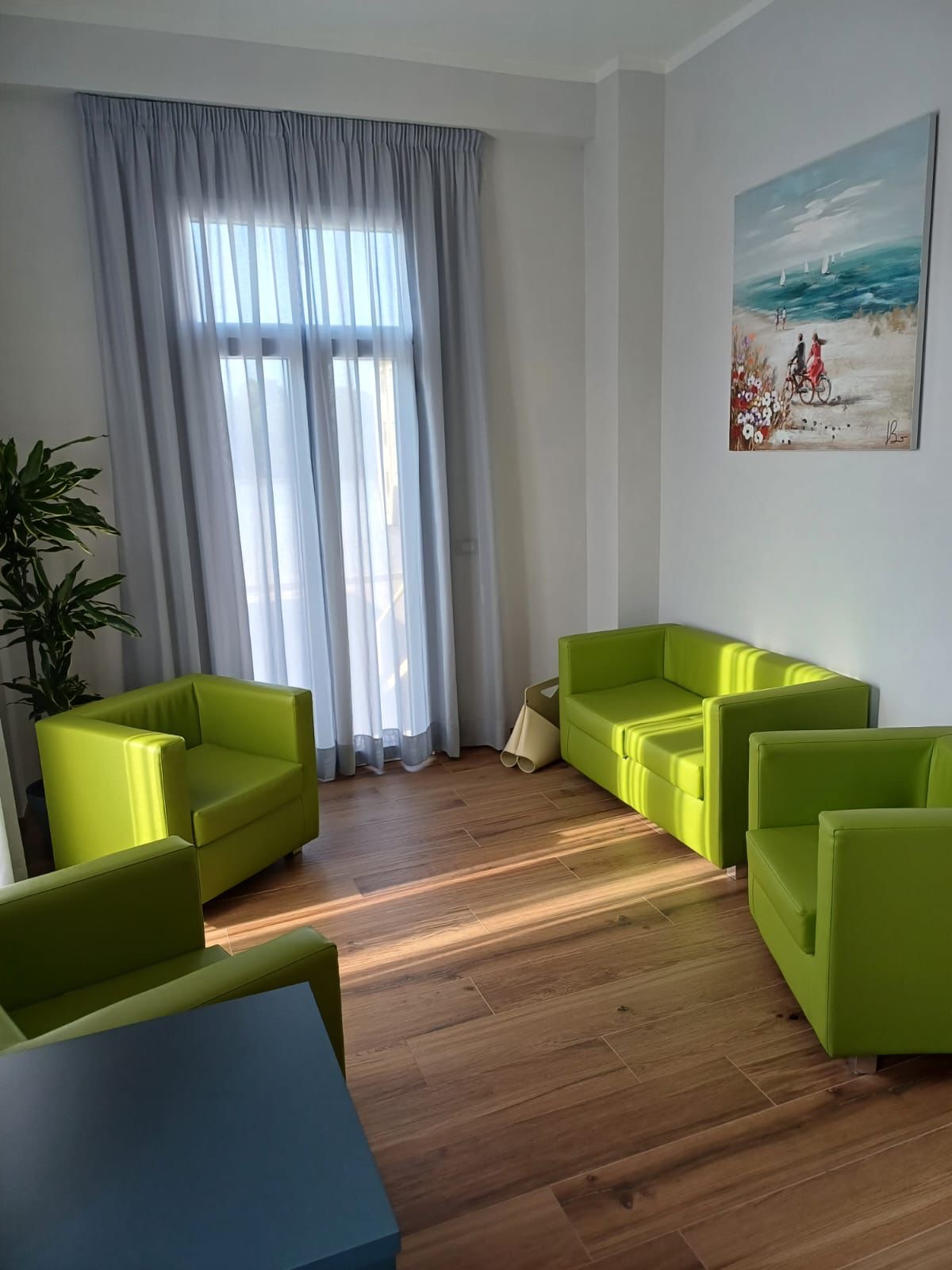
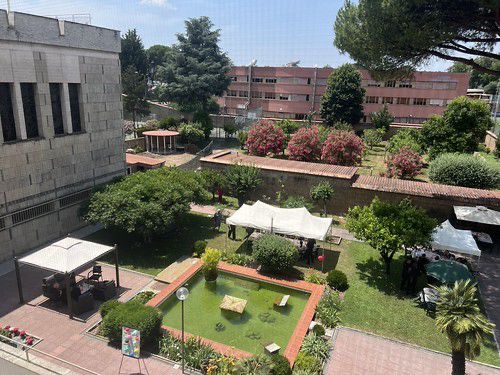
The College provides an air-conditioned library for study, common spaces for fraternity, and a refectory that sustains community life. Two chapels stand at the heart of the house, ensuring that prayer and the Sacred Liturgy remain central each day. Gardens and sports facilities, including a gymnasium and courts, support balance, recreation, and human formation.
Sustaining priestly formation for tomorrow
Supporting the Beda helps form priests for English-speaking dioceses, ensuring future generations are served by well-formed and pastorally prepared clergy.